



Fuel Additives Explained
Fuel additives are specially formulated compounds designed to improve fuel quality and help keep engines running clean and efficiently. When blended with gasoline or diesel fuel, additives can help remove harmful deposits, protect critical engine components, and support long-term vehicle performance.
The additive dispensed through the Additech system is designed to deliver these benefits automatically while you fuel.

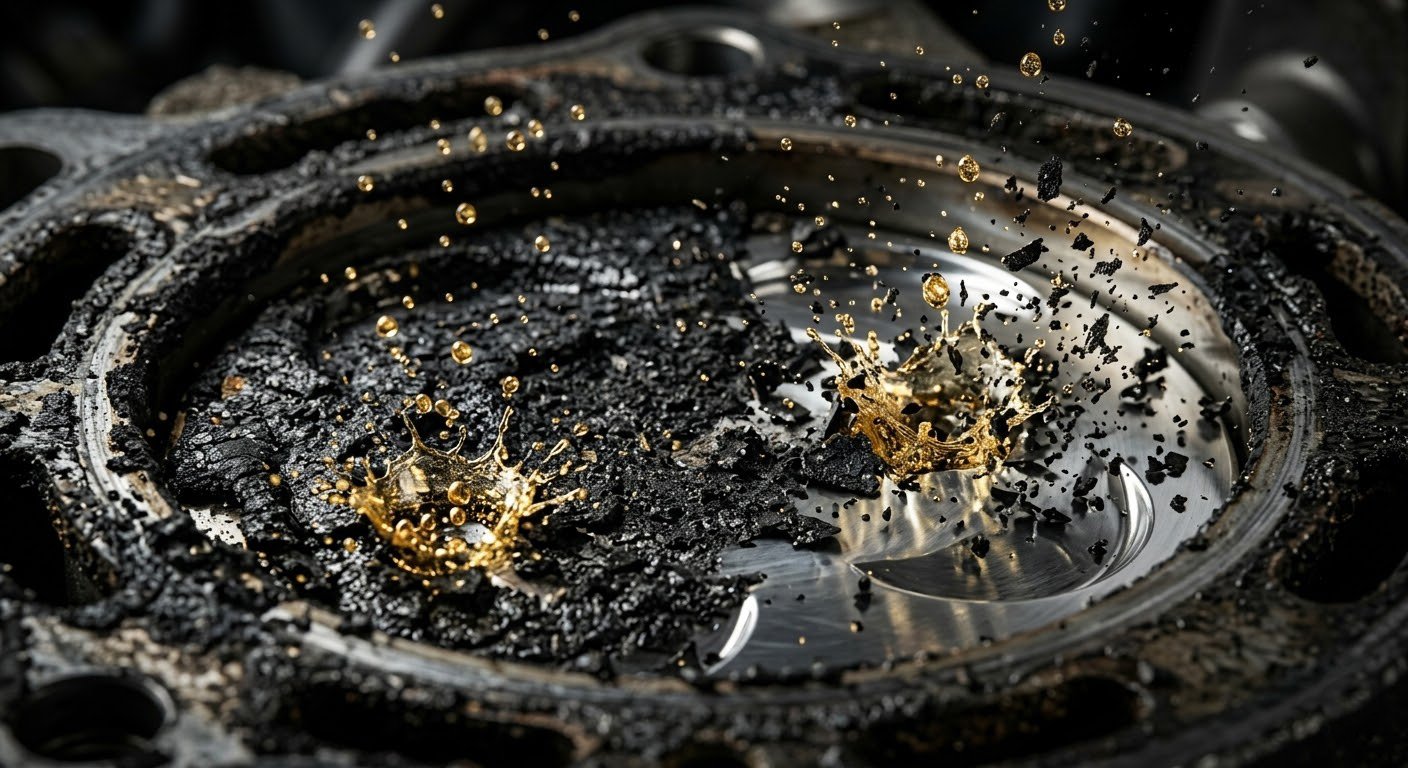
CARBON DEPOSITS & YOUR ENGINE
As your engine runs, small amounts of carbon can build up inside the fuel system. Over time these deposits may form on important parts such as fuel injectors and intake valves.
When these parts become dirty, fuel may not spray as evenly inside the engine. This can make the engine work harder and reduce how efficiently it burns fuel.
Over time, these deposits can reduce fuel efficiency and cause your engine to work harder than it should. Keeping your fuel system clean helps maintain performance and avoid unnecessary strain on your engine.
Keeping the fuel system clean helps engines run the way they were designed.

Fuel Quality Comes Down to Additives
All gasoline contains additives added during refining. These additives help fuel meet minimum standards for stability and basic engine operation.
However, not all fuel is treated the same.
Fuel quality is largely determined by the type and amount of additives blended into it. Major fuel brands often include higher levels of detergent additives to help keep engines cleaner, which is one reason some drivers choose premium-branded fuel.
Many fuels on the market meet only minimum additive requirements. While this satisfies regulatory standards, it may not provide the level of deposit control modern engines benefit from over time.
Additional additive treatments can help deliver the higher level of cleaning performance that standard fuel alone may not provide.
NOT ALL FUEL ADDITIVES ARE THE SAME
Fuel additives vary widely in quality, formulation, and effectiveness. Some are designed specifically to deliver proven deposit control, while others may provide limited benefit.
Additech systems deliver high-quality detergent additives that are formulated to help clean and maintain critical engine components over time.
Because the additive is dispensed automatically at the pump, each treatment is delivered in a consistent, measured amount directly into the fuel. This removes the guesswork often associated with bottled additives and ensures the product is applied as intended.
Tested and Proven to Keep Engines Cleaner
At Additech, we only work with fuel additives that have been developed and tested to meet recognized industry standards. The additives delivered through our systems are evaluated using rigorous engine testing designed to measure carbon deposit control, injector cleanliness, and overall fuel system performance.
These tests simulate real engine conditions and measure how deposits build up inside engines over time. By comparing engines running with and without additives, testing can clearly show how effective detergent additives are at helping keep critical engine components clean.
The additives dispensed through the Additech system meet established ASTM testing protocols and EPA fuel standards, ensuring they are safe for modern engines and designed to perform as intended.


FUEL INJECTOR SPRAY PATTERNS
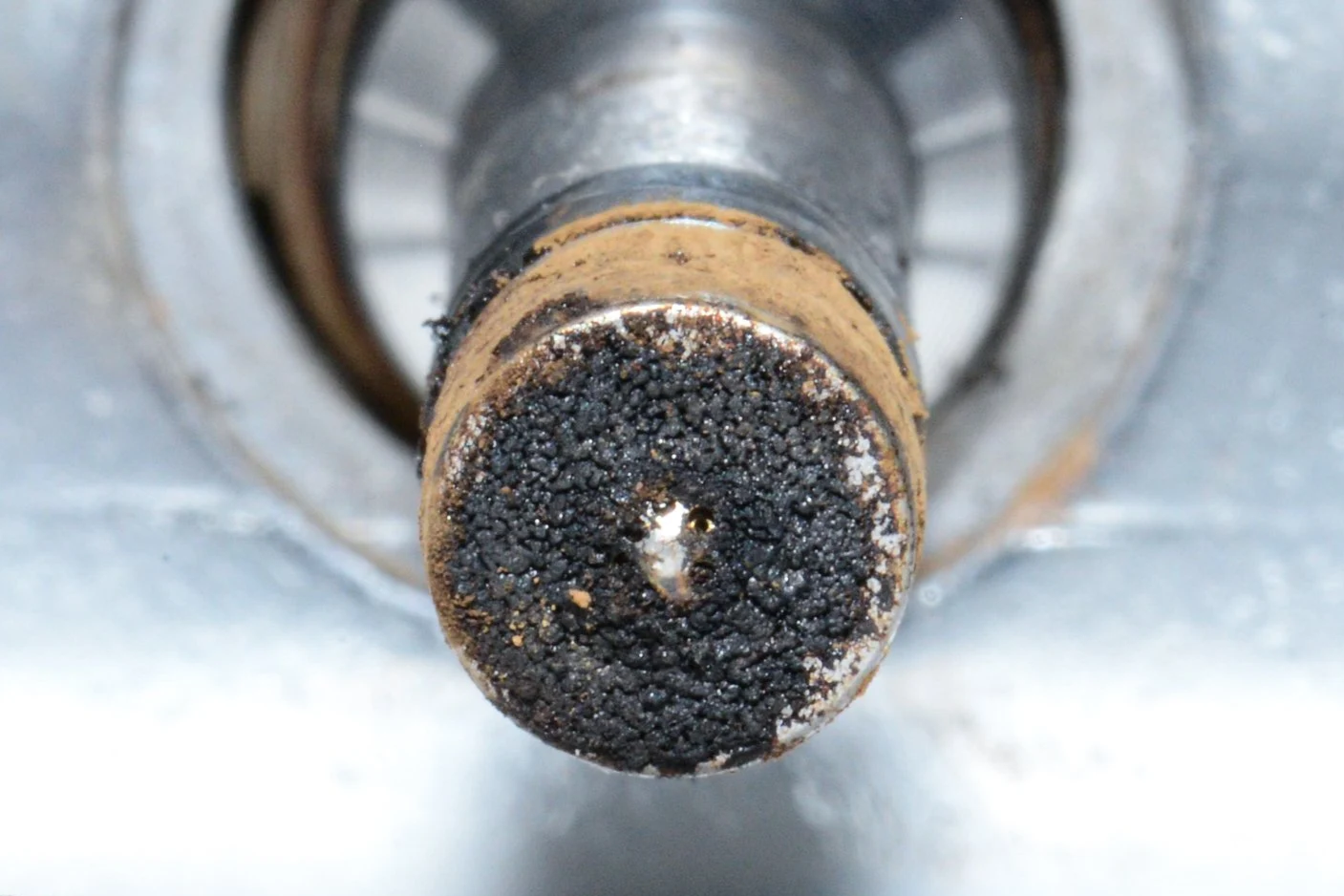
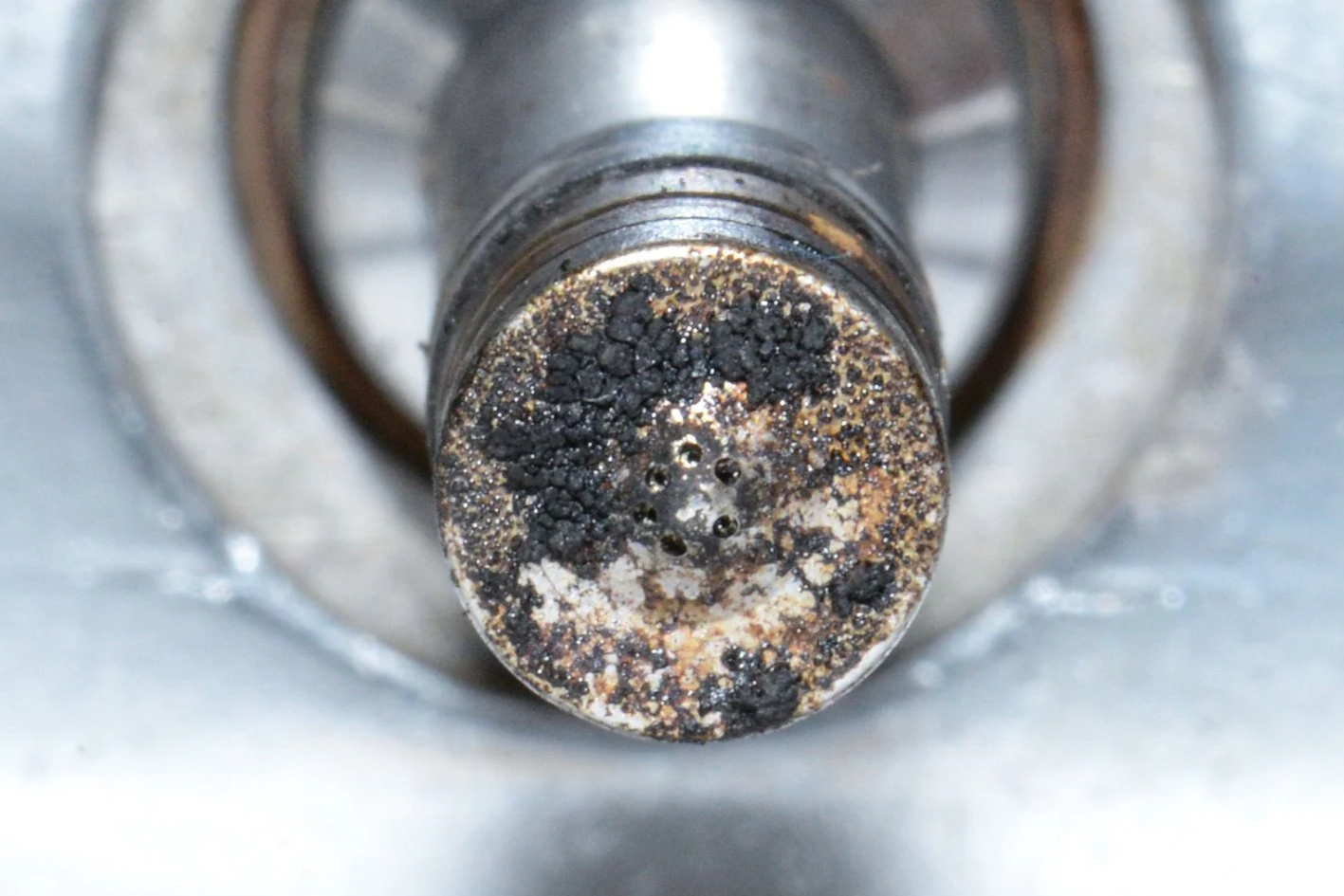
GDI FUEL INJECTORS
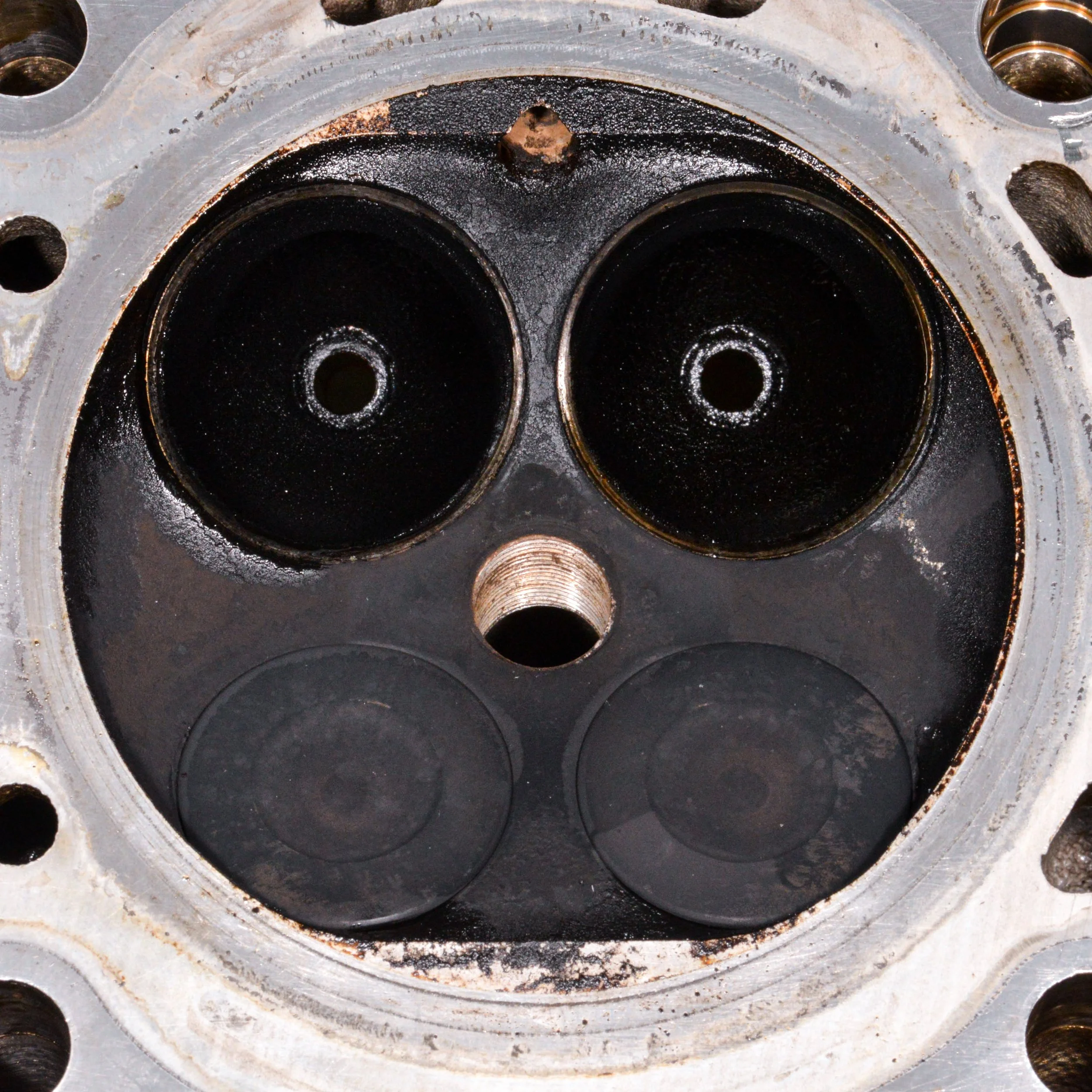
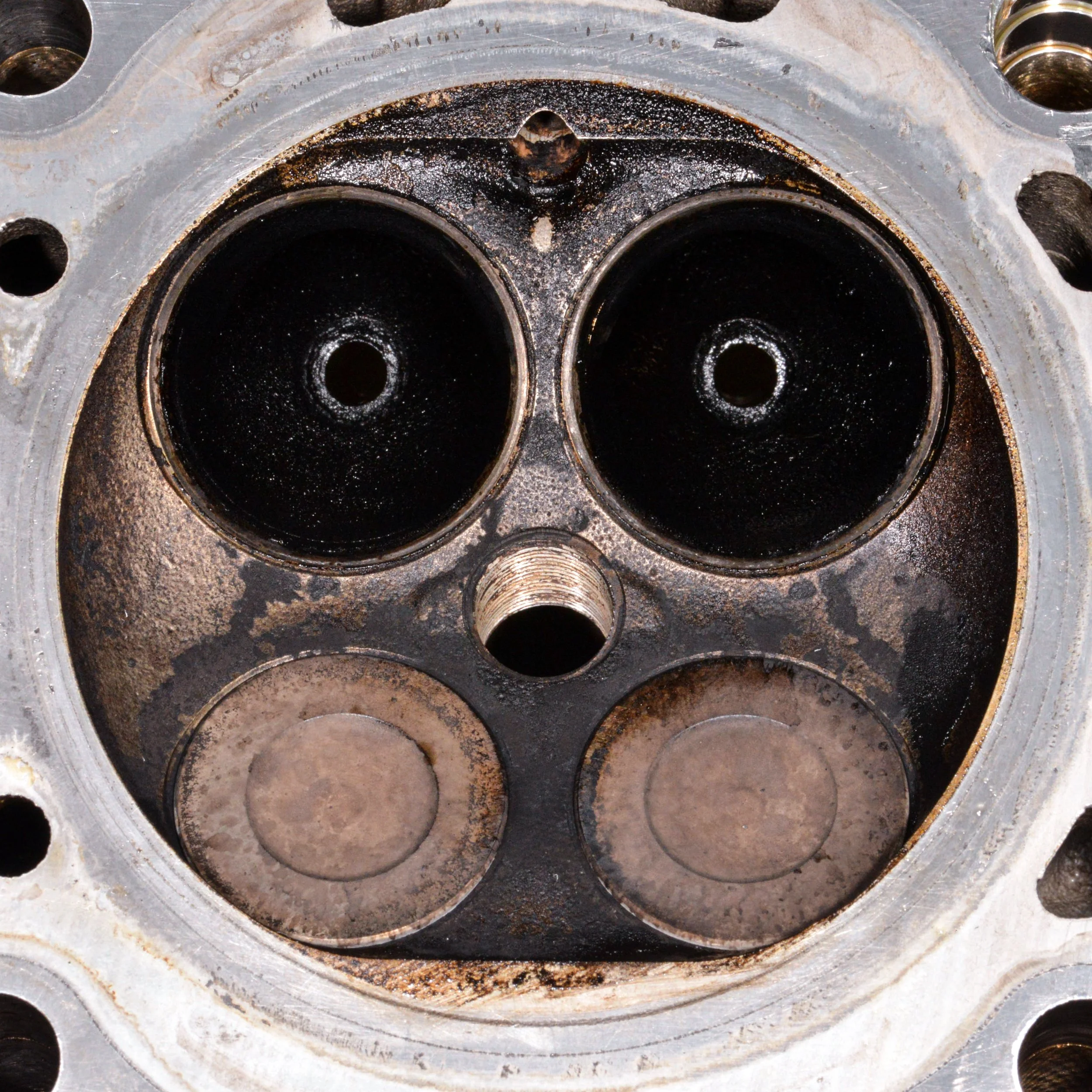
COMBUSTION CHAMBERS
AFTER ADDING ADDITECH
BEFORE ADDITIVES

Additives Blended Automatically While You Fuel
When you select an additive at an Additech-equipped pump, the system automatically injects a precise amount of additive into the fuel stream as you fuel your vehicle.
The additive blends with the fuel before it enters your tank, ensuring the proper amount is delivered every time.
There’s nothing extra to pour or mix. Simply select the additive option and fuel normally.

find a store near you
FAQ
-
Yes. Fuel additives are designed to work with standard gasoline and modern engines. The additive delivered through the Additech system is blended in a controlled amount during fueling.
-
Using additives regularly can help maintain a cleaner fuel system over time. Many drivers choose to add them periodically as part of normal vehicle maintenance.
-
Some drivers may notice smoother engine operation over time, while others may not notice an immediate change. The main benefit of additives is helping keep the fuel system cleaner over continued use.
-
Fuel additives designed for gasoline engines are intended to work with modern fuel systems. Always follow your vehicle manufacturer’s fuel recommendations.